
Training, Commitment, and the Roles That Drive Emergency Care Forward

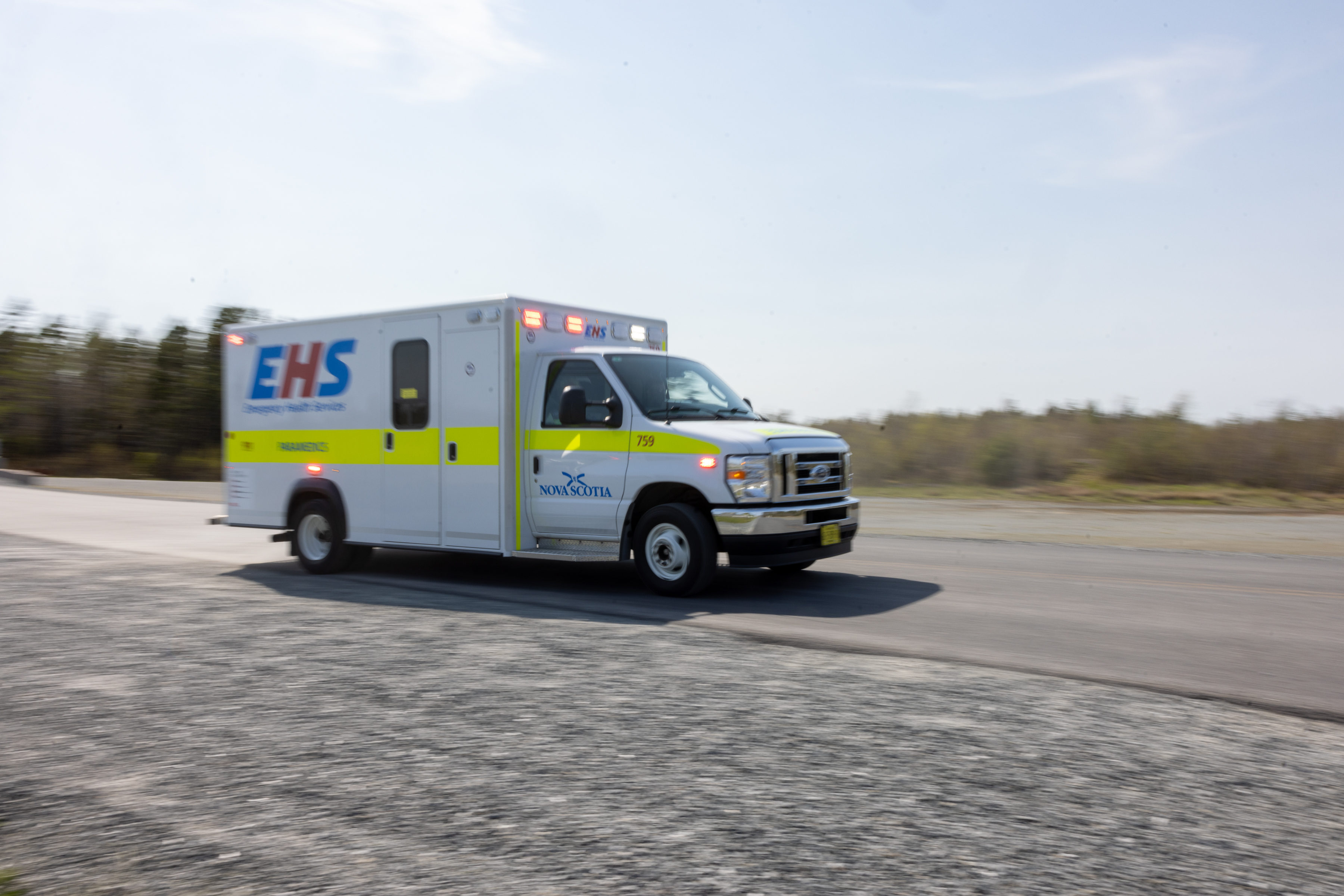
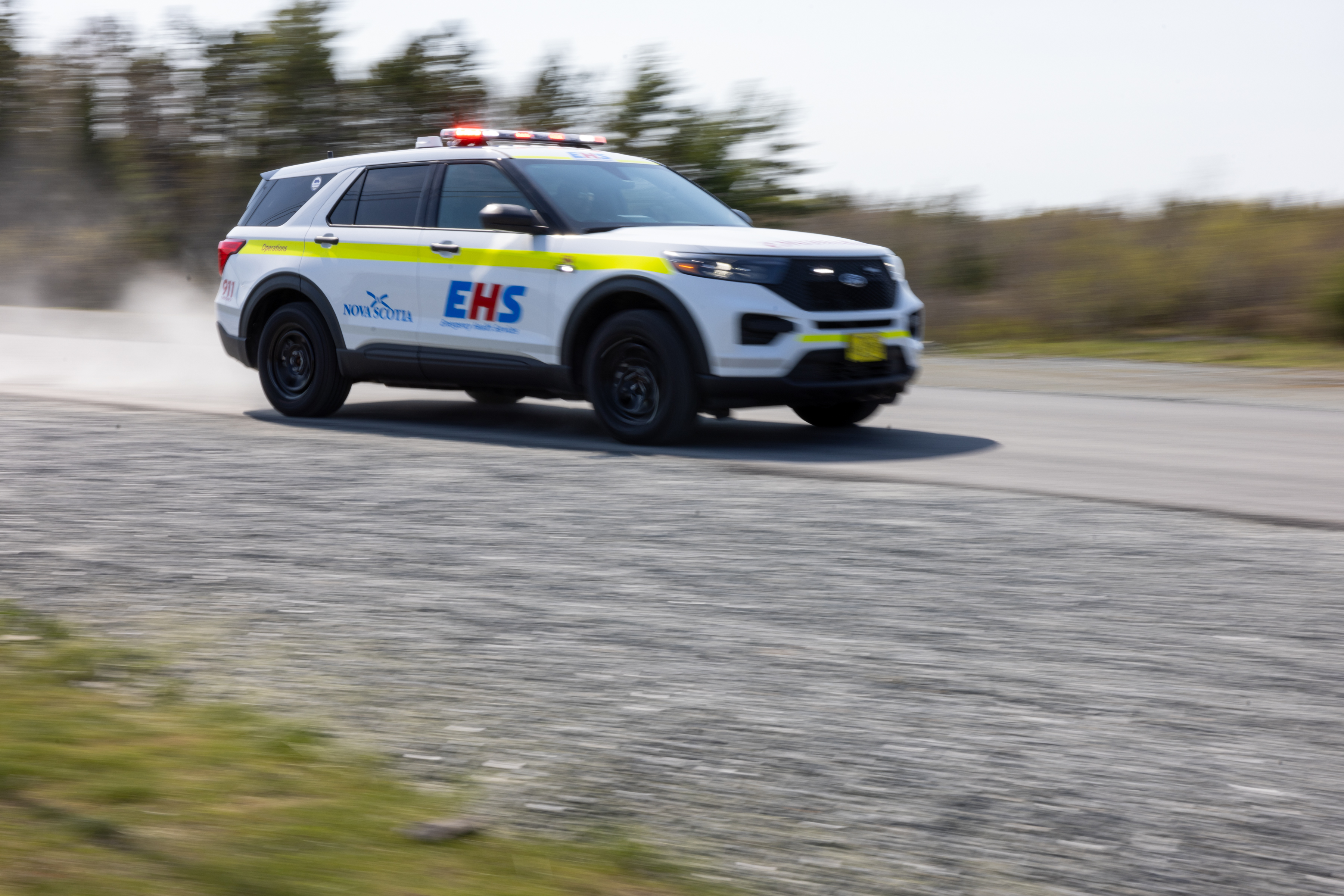
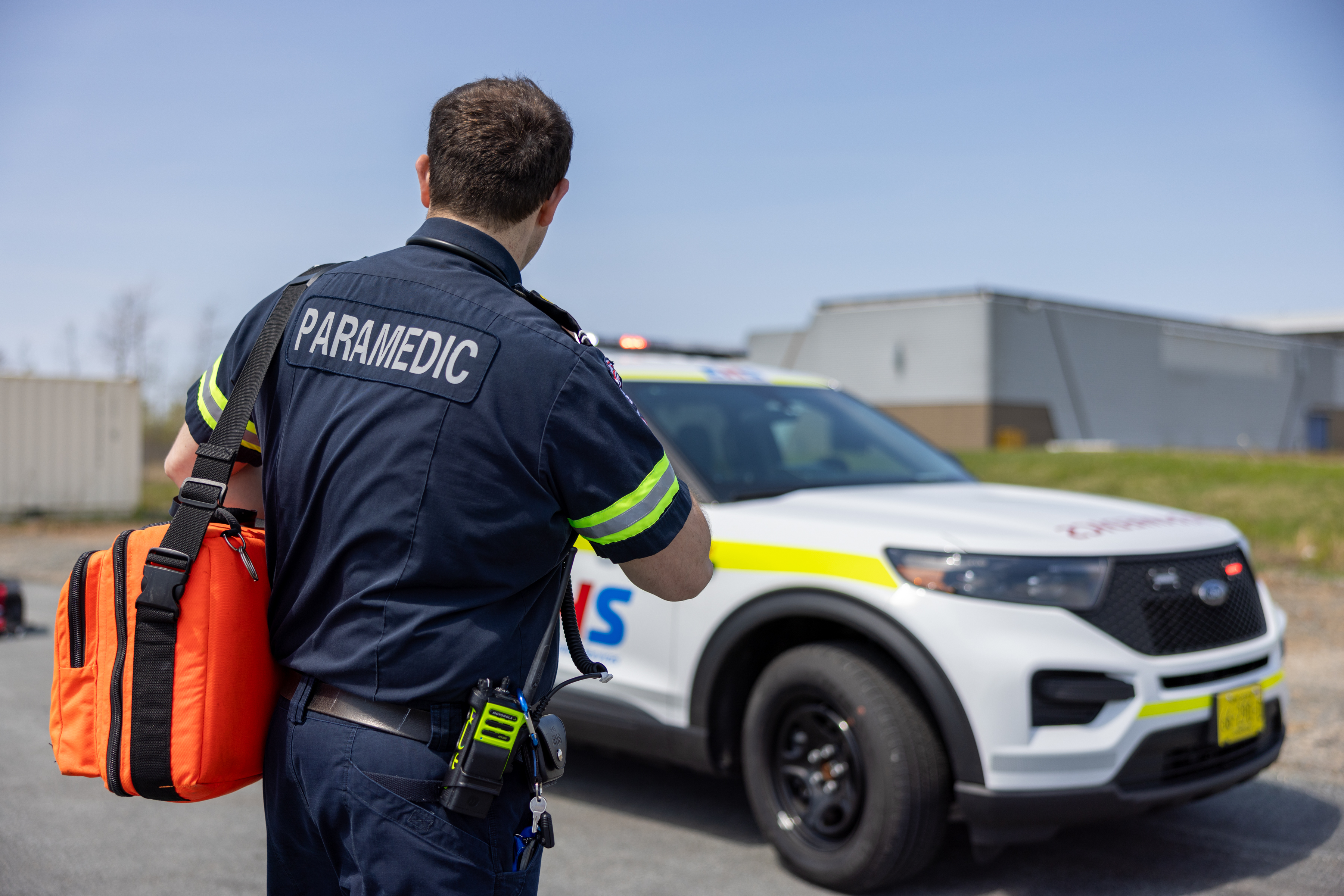
Paramedics are licensed medical professionals trained to respond to emergencies, deliver critical care, and transport patients safely and effectively. In Nova Scotia, they practice at multiple levels: Primary, Primary +, Advanced, and Critical Care - each with an expanding scope of responsibility.
They respond to medical emergencies, accidents, mental health calls, and large-scale incidents. Paramedics provide on-scene care, administer medications, and transport patients to hospitals or other facilities. They also support public health through chronic care, end-of-life care, and health education.
With one of the broadest scopes of practice in Canada, Nova Scotia paramedics are trusted professionals working in ambulances, hospitals, collaborative care centers, and community settings.
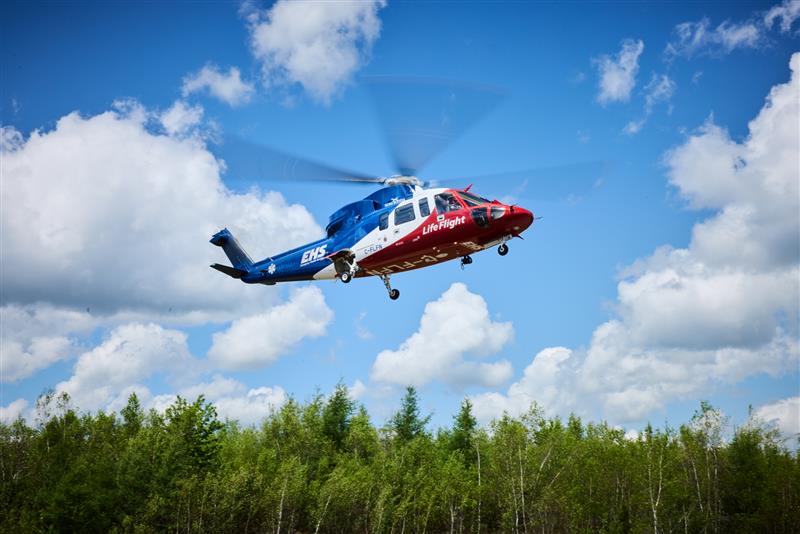
The LifeFlight Team includes Critical Care Paramedics and Flight Nurses, working together in a mobile intensive care setting. They respond to hospital requests and on-scene emergencies, using helicopters, fixed-wing aircraft, or ground units.
Their mission: to provide rapid, high-level care and transport for the most critically ill or injured patients across Nova Scotia and beyond.
These professionals are a vital link in the patient care journey, safely transporting low-acuity patients between hospitals, clinics, and home settings. They assist individuals attending medical appointments or procedures that do not require active medical care during transport.
Transport Operators ensure that patient movement across the healthcare system is safe, timely, and respectful, supporting the flow of care province-wide.
Emergency Medical Responder Support (EMRS) professionals assist with operations and logistics that support paramedics and frontline care.
They contribute to on-scene efficiency, safety, and coordination during emergency and non-emergency events.
The Medical Communications Centre (MCC) Nurse is a key member of Nova Scotia’s innovative EHS clinical team. They play a vital role in prioritizing 911 calls, ensuring that ambulances are reserved for life-threatening emergencies.
By performing secondary triage on non-urgent calls, nurses assess patient needs, collaborate with medical staff, and recommend the most appropriate care.
We are committed to: